Most opportunities don’t fail loudly. They fade. A promising conversation ends, the event wraps up, and everyone goes back to overflowing inboxes and urgent work. Without a clear next step, even a strong interest loses momentum as attention is fragile.
Networking creates awareness and goodwill. However, it does not move deals forward on its own. Sales happen later, through structured, timely follow-up. The gap between the two is where most opportunities die.
This guide shows how to close that gap. You will learn a simple three-stage system that moves a networking conversation into a meeting and, ultimately, into revenue. It is designed for real schedules and real people like sales professionals, consultants, founders, and small business owners, using practical tools such as QR-coded digital business cards, short email templates, and light automation.
No guesswork. Just a repeatable process that works.
The networking-to-sales framework
Converting conversations into sales is about systems, rather than charm or volume. The framework has three stages:
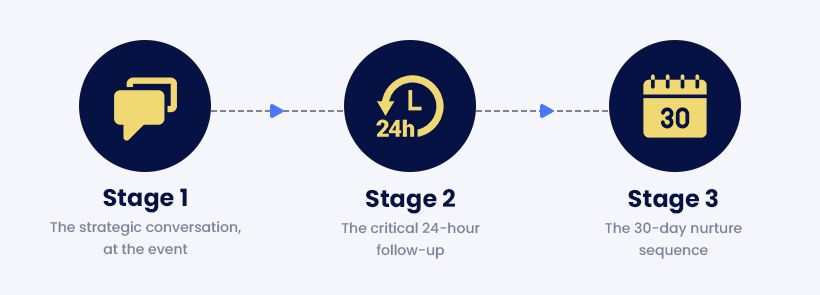
- The strategic conversation at the event
You focus on curiosity, uncover real problems, share one useful insight, and secure permission for the next step. - The critical 24-hour follow-up
You send a short, specific message that delivers value and makes the next action easy. - The 30-day nurture sequence
You build trust with consistent, value-driven touchpoints until a buying conversation is earned.
The psychology is simple. People buy from those they know, like, and trust. Networking builds “know” and “like.” Follow-up builds trust. Most buyers need multiple meaningful interactions before they are ready to engage seriously. Most networkers stop after one or two. This system closes that gap.
Stage 1: The strategic networking conversation
✉️ Prepare before you arrive
Go into the event with clarity. Define your ideal prospect: industry, role, budget range, and the top problems you solve. Vague targeting leads to vague conversations and weak follow-ups.
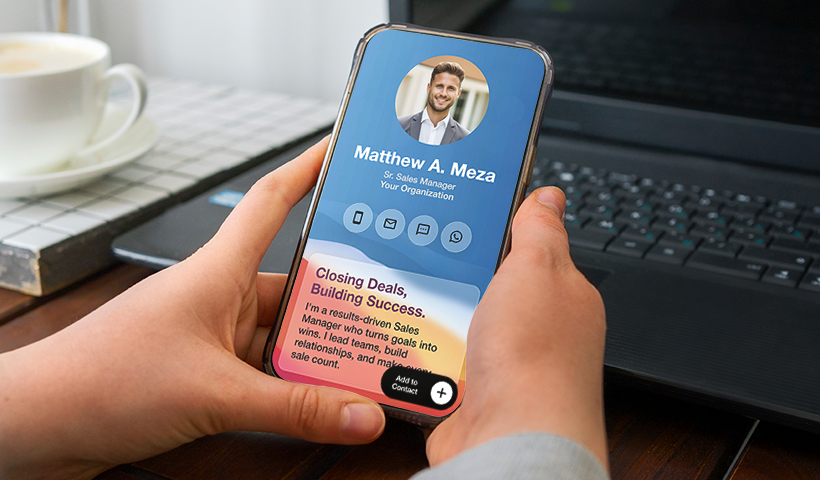
Set up a QR code digital business card using QRCodeChimp. Include your name, role, company, contact details, LinkedIn profile, a calendar booking link, and one useful resource, such as a checklist or short guide. One scan should save your contact and make booking time effortless.
Finally, prepare a few discovery questions. Keep them simple and accessible on your phone.
💬 Lead the conversation with curiosity
Start by asking about them. What brought them to the event? What are they focused on right now? What is working, and what is challenging? Aim to listen more than you speak. The goal is not to impress but to understand. Pay attention to the exact language they use. Those words will shape your follow-up.
As the conversation develops, gently explore pain points using a light structure. Understand their current situation, the main bottleneck, and its impact on time, revenue, or team performance. Then ask what success would look like if that issue were solved in the next quarter. This creates relevance without pressure.
When appropriate, share one short success story. Keep it concise and outcome-focused. Avoid pitching features or services in detail. The purpose is to demonstrate credibility and plant a seed, not to close immediately.
Before you part ways, secure permission for the next step. That might mean booking time immediately if interest is high, or sharing your QR code so they can schedule later. Always confirm that it is okay to follow up and deliver on your commitments. End the conversation with one actionable insight they can use right away. That is what makes you memorable.
Stage 2: The critical 24-hour follow-up
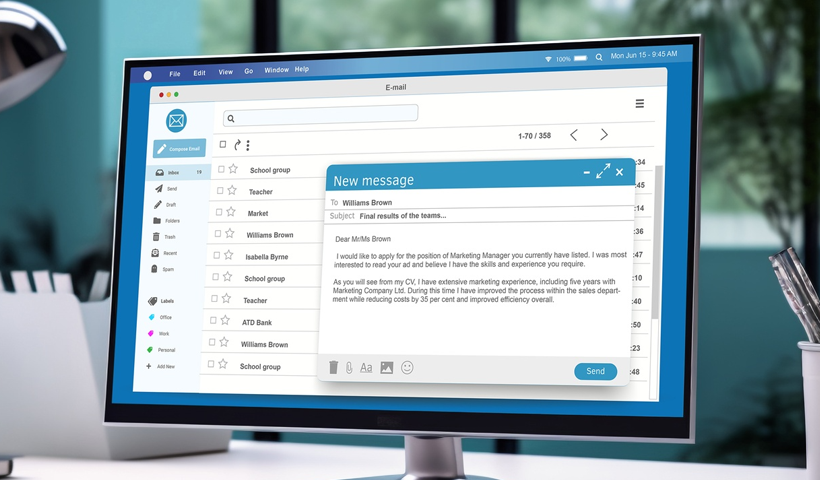
Memory fades quickly, and delayed follow-ups turn warm conversations into cold leads. Aim to follow up within 24 hours while the interaction is still fresh.
The most effective follow-up emails follow a simple structure. Start by referencing a specific point from your conversation to demonstrate that this is not a generic message. Deliver the value you promised, such as a case study, checklist, or short video, and highlight the most relevant part. Then include a soft call to action that makes it easy to say yes, usually by sharing your calendar link. Close with a no-pressure line that respects their timing.
Keep it short and human. The goal is to continue the conversation, not overwhelm them.
In addition to email, use a light multi-channel approach. Send a brief LinkedIn connection request referencing the event. If they shared a mobile number, a short text message notifying them that the resource is in their inbox can help ensure visibility.
Track everything, even if it is just in a spreadsheet. Log notes, pain points, follow-up dates, and next actions. This turns networking from a memory exercise into a system.
Stage 3: The 30-day nurture sequence
Most deals are not closed after one follow-up. Trust is built over time through consistent, useful contact. A simple 30-day nurture plan keeps momentum without being pushy.
In the first week, focus on credibility. Send the initial follow-up, then share a relevant insight, post, or short resource a few days later. If they respond, continue the dialogue toward a meeting. If not, add value again without repeating the ask.
In the second week, strengthen the relationship. Engage thoughtfully with their content on LinkedIn. Send a short “thought of you” message tied to industry news or something relevant to their role.
In the third week, clarify the next step. Share a fresh, timely success story and suggest a short call to explore whether similar results are possible for them. Make the value of the conversation explicit by reviewing their current process or identifying quick wins.
In the final week, decide whether to persist or pivot. If there is engagement, move into your formal sales process. If not, send a respectful breakup message acknowledging their time and asking whether the topic remains a priority. This often prompts a response and keeps the door open.
If there is still no reply, step back. Shift to occasional check-ins or a permission-based newsletter and revisit later with something genuinely new.
Using QR codes and automation without losing the human touch
QR code technology can significantly reduce friction when used correctly. A QRCodeChimp digital business card that combines contact capture, calendar booking, and a valuable resource shortens the path from conversation to meeting. Place it on your phone, your printed card, or event materials so it is always accessible.
Automation should support consistency, not replace personalization. Use a CRM to trigger reminders, schedule follow-ups, and track engagement. Automate timing and task management, but always customize the message itself. Reference the specific conversation, their language, and their context. That is what builds trust.
Measuring success and avoiding common mistakes
Track a few key metrics to understand what is working. Monitor how consistently you follow up within 24 hours, how often people respond, how many meetings are booked, and how many turn into real opportunities. Over time, this shows the true return on your networking efforts.
Avoid common pitfalls. Do not pitch too early. Do not send generic follow-ups. Do not rely on “just checking in” messages that add no value. Do not push for a close until trust is established. Focus on fit and usefulness, not urgency.
Your action plan
Networking alone does not create sales. Systems do. The difference between people who convert and those who collect cards is a structured, value-driven follow-up.
Start small. Set up your QR code digital business card. Write a few follow-up templates for different interest levels. Choose a simple tracking method. Attend one event and commit to following up within 24 hours using this framework. Track what happens, refine, and repeat.
Most people stop after one or two touches. However, with consistency, relevance, and the right tools, you can turn everyday networking conversations into a predictable revenue stream.
Frequently asked questions
How soon should I follow up after a networking event?
Within 24 hours. Attention and memory decay quickly after events. A next-day follow-up dramatically increases response rates because the context is still fresh.
Is email enough, or should I use multiple channels?
Email works best when combined with light multi-channel support. A LinkedIn connection request or a short text message pointing to the email improves visibility without being intrusive.
What should I include in a networking follow-up?
Three things only:
- A specific reference to the conversation
- The value you promised (resource, insight, or example)
- A low-pressure next step, usually a calendar link
Anything more reduces clarity and response rates.
How do QR code digital business cards help with sales follow-up?
They remove friction. Instead of manually saving contacts or exchanging cards, prospects can instantly save your details, access value, and book time. This shortens the path from conversation to meeting.
Do QR codes feel impersonal at events?
Only if the experience behind the scan is generic. When the QR code leads to something useful and relevant, it feels like a service, not a tactic.
How long should I nurture a contact before moving on?
A structured 30-day nurture is usually sufficient to determine intent. If there is no engagement after that, step back respectfully and re-engage later with something genuinely new.
What is the biggest mistake people make after networking?
Stopping too early. Most deals require multiple meaningful touchpoints. Most people give up after one follow-up. Consistency is the real competitive advantage.
Can this system work for small teams or solo founders?
Yes. The framework is intentionally lightweight. A digital business card, a few templates, and basic tracking are enough to run it effectively without a large CRM or sales team.
You may also like
Turn Your Digital Business Card into a Lead Magnet with the Lead Collection Form
Discover how digital business cards simplify lead generation and boost networking. Learn how QRCodeChimp's Digital Business Cards help you enable two-way contact sharing to capture leads instantly and manage them effectively.
People Who Save Your Contact Will Share Theirs. Are You Capturing It?
Learn how the contact exchange form on QRCodeChimp digital business cards lets you collect contact details the moment someone saves yours.
Turn Paper Cards into Contacts Instantly with a Card Scanner for Digital Business
Turn paper cards into contacts instantly with a physical card scanner. Scan, extract, and save contacts in seconds with QRCodeChimp digital business card.
Digital Business Card Statistics in 2026: Usage, Applications, Adoption, and Top Players
Discover some important statistics for digital business cards, including the market size of digital business cards, along with their key drivers, how people use them, and much more.
Most Popular
Contact Sales