You’ve probably heard it before: it’s not just what you know, it’s who you know. Turns out, it’s true. According to a global LinkedIn survey, 79% of professionals believe that networking is essential for career success. Whether you’re aiming for a promotion, building a client list, or shifting industries, relationships often move faster than résumés.
Back when I was new to tech writing, I spent weeks sending polished pitches to editors with no response. Then, one quick coffee chat at a conference changed everything. The editor I met didn’t just give me a shot; she introduced me to three more. That’s when I realized: networking isn’t extra, it’s essential.
But let’s be honest: traditional networking can feel awkward, even transactional. Small talk, business cards, and vague LinkedIn requests, all get old fast. What if you approached it differently?
This article breaks down the art of networking, not just making contacts, but building relationships that help you learn, lead, and grow.
What is the art of networking?
Forget forced small talk and random LinkedIn requests. The art of networking is about being intentional and building genuine relationships that help you grow, solve problems, and lead more effectively.
Think beyond handshakes
Good networking isn’t about collecting contacts. It’s about learning from others, sharing value, and opening doors for you and them. When done right, it becomes a career habit, not a one-off event.
It helps you spot new opportunities before others do and learn from people with different experiences. It also helps you build a reputation that attracts trust and talent.
Smart networking isn’t one-size-fits-all. You need four types of connections to grow faster and work smarter.
Each type plays a different role. Together, they form your professional edge.
The Four Network Types
1. Operational Network
Who: Peers inside your company
Purpose
- Help with day-to-day work
- Build internal visibility
- Spot internal growth opportunities
Build it by:
- Collaborating across teams
- Joining cross-functional projects
- Staying active in team conversations
2. Personal Network
Who: Friends, mentors, ex-colleagues
Purpose
- Give outside perspective
- Offer feedback and support
- Share job leads and new ideas
Build it by:
- Reaching out regularly
- Reconnecting with past coworkers
- Staying active in team conversations
3. Strategic Network
Who: Industry leaders, decision-makers
Purpose
- Open high-impact opportunities
- Shape your market knowledge
- Connect you with big players
Build it by:
- Attending industry events
- Publishing insights or talks
- Following up with people doing high-level work
4. Nodal Network
Who: Super-connectors
Purpose
- Introduce you to the right people
- Expand your reach fast
- Connect you across industries
Build it by:
- Offering value before asking
- Being direct about who you want to meet
- Keeping in touch without an agenda
Why This Matters
Networking isn’t a luxury. It’s a multiplier. The right people save you time, help you grow, and open doors you didn’t know existed. This is how you build an edge.
Why networking drives growth
If you’re relying only on hard work and skills to move forward, you’re leaving growth on the table. Relationships done right speed things up, unlock new paths, and keep you sharp.
Open doors in your career
Most internal moves, promotions, and referrals start with conversations, not cold applications. A coffee with a senior manager can lead to a stretch project. A former colleague may refer you to a role you didn’t even know existed. When you stay visible, people learn to trust you, and promotions come easier.
Grow your business faster
Clients, investors, and partners are people, not pipelines, and trust comes through relationships. One personal intro can cut weeks off your sales cycle. Investors often back people they’ve seen in action or heard about through mutual contacts. Real collaborations begin with shared respect, not cold pitches.
Stay sharp, stay relevant
Industries move fast, and the best insights often surface in conversations before they’re published. By talking to peers, you learn which tools and trends are working on the ground, sense where your market is headed, and get honest feedback before launching something new.
Did you know?
Increasing your professional network by just 50% can lead to a 3.8% higher salary.
Refuel your motivation
Let’s be real: work can get isolating. Connecting with peers helps you stay energized and clear. A quick talk with someone who gets it can lighten your week, bring back a sense of purpose, and remind you that you’re not doing this alone.
A simple 4-step framework for more intelligent networking
Good networking isn’t about being charming; it’s about being intentional. Here’s a straightforward way to make every connection count.
Step 1: Prepare intentionally

Wandering into random events or inboxes won’t get you far. Start with a plan.
- Know your goal: Are you looking to learn, find a mentor, pitch an idea, or recruit talent?
- Select the right spaces: Choose events or communities where your goals align with tech meetups, founder groups, niche Slack channels, and other relevant groups.
- Research the people: A quick LinkedIn scan gives you talking points and context.
Step 2: Approach with curiosity

People don’t remember what you said; they remember how you made them feel. Be curious, not clever.
- Ask thoughtful questions: “What’s something you’re working on that excites you?” works better than “So, what do you do?”
- Listen actively: Don’t just nod, reflect, ask follow-ups, and be present.
- Make it about them: Learning builds trust faster than selling.
Step 3: Sharpen your pitch and presence
You don’t need a perfect script, but you do need to be clear and confident.
- Craft a 30-second pitch:
- Who you are
- What you do
- What you’re looking for
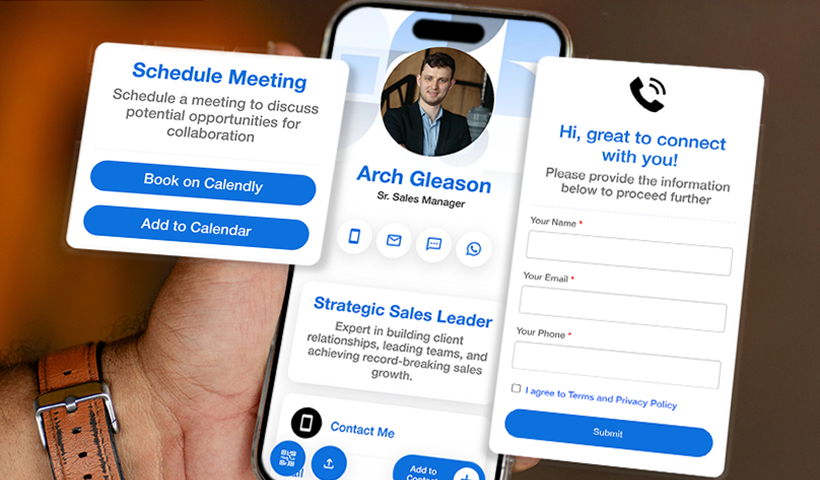
- Look the part: Dress sharp but authentic. Utilize tools like digital business cards to make a lasting impression.
- Signal credibility: Be tech-savvy, prepared, and respectful of people’s time.
Step 4: Follow through and stay connected
Most people drop the ball after the first chat. That’s where your edge begins.
- Follow up within 24–48 hours: Reference something specific and offer value.
- Stay consistent: Attend recurring events regularly. Keep showing up.
- Organize your contacts: Use a simple CRM or notes app to track names, topics, and follow-ups.
Lead through your network
Once your network starts working for you, it’s time to return the favor and level up in the process. The best way to lead today isn’t through titles. It’s through trust, visibility, and connection.
Mentor, sponsor, and lift others up
You’ve been helped. Now be the person who helps. Offer thoughtful feedback to someone earlier in their journey, recommend rising talent for roles, projects, or speaking spots, and sponsor people quietly by dropping their name in the right rooms when it counts.
Build a knowledge-sharing circle
Turn your network into more than just a list of contacts. Make it a place where ideas grow. Share useful insights or tools on a regular cadence, start small peer groups to discuss trends or challenges, and keep momentum with casual sessions like coffee chats, Slack threads, or a simple newsletter.
Scale with trusted peers
You don’t need to do everything alone. Your peers can amplify what you’re building. Let peers amplify what you’re building by co-creating content, products, or events, trading warm introductions to grow faster and smarter, and pooling expertise so you can solve bigger problems together.
Did you know?
38% of those earning over $100,000 say they wouldn’t make that salary without their network.
Common networking mistakes that stall your growth
Networking isn’t hard, but it’s easy to get wrong. If you’ve walked away from events feeling like nothing clicked, chances are one of these slipped in.
Showing up without a plan
Walking into a room cold makes everything more complicated. You end up talking to random people instead of the right ones and waste time explaining what you do in ten different ways.
Fix it by knowing who’s attending, what you want, and how you’ll introduce yourself before you walk in.
Making it all about you
We’ve all met the person who won’t stop talking about their startup, role, or product. It drains the conversation, and people tune out or avoid you next time.
Fix it by leading with curiosity: ask first, share second.
Being vague or overly aggressive
“Can you connect me to investors?” or “Let’s collaborate!” with no context? Hard pass. Vague asks feel like pressure, and aggressive pitches kill trust fast.
Fix it by making specific, thoughtful requests or wait until there’s real rapport.
Dropping the ball on follow-ups
A great chat means nothing if you disappear afterward. People forget, and opportunities fade.
Fix it by sending a quick message within 48 hours, mentioning something you discussed, and offering value if you can.
Losing track of contacts
You meet someone great… then six months later, you can’t remember their name or where you met.
Fix it with a simple system, CRM, spreadsheet, or phone notes to tag names, dates, and key takeaways.
Tools that make networking smoother (and brighter)
You’ve got the mindset, now use the right tools to make connections stick. These help you look sharp, stay organized, and build momentum without extra effort.
1. Digital business card
Paper cards get lost or tossed. A digital business card stays on their phone and updates instantly.
- Share your contact info with a tap or scan.
- Include links to LinkedIn, portfolio, or Calendly.
- Update details without reprinting anything.
Best Digital Business Card to Improve Your Networking
2. Contact management tool (light CRM)
Your memory can’t keep up with 100+ connections. A simple system helps you track who’s who and what you talked about.
- Add notes after meetings.
- Tag contacts by industry or event.
- Schedule follow-ups.
Try: Dex, Google Contacts with labels.
3. Smart calendar + booking link
Back-and-forth scheduling wastes time. Give people an easy way to book time with you, on your terms.
- Sync with your availability.
- Avoid double-booking.
- Add prep questions before the call.
Try: Calendly, SavvyCal.
4. Note-taking app with sync
Great ideas and follow-up tasks often come mid-conversation. Don’t let them vanish.
- Capture insights or to-dos on the spot.
- Sync across devices.
- Keep conversations actionable.
Try: Phone’s Notes app, Evernote, Obsidian.
Final thoughts
Networking isn’t about racking up contacts. It’s about being curious, staying real, and keeping your word. The relationships that matter start when you give first your time, your attention, your help without expecting anything in return. That’s how networking shifts from a chore to a habit, and from a habit to growth.
You grow faster when you hear real stories instead of chasing trends. You lead better when you build trust instead of just making noise. And when people believe in you, they open doors.
Start simple: know what you’re aiming for. What do you want to learn, solve, or move toward? Choose one upcoming event, virtual or in-person, and make it count. Get your short intro ready and set up your digital card.
Frequently asked questions
What if I’m introverted or hate small talk?
You’re not alone. Good networking isn’t about being the loudest in the room; it’s about being curious and present. Ask thoughtful questions. Focus on one or two genuine conversations, rather than working the room. Follow up in writing if that feels more natural to you.
How do I network without it feeling transactional?
Start with what you can give, not what you want to receive. Share a helpful resource. Make an introduction between two people. Offer support or encouragement. People remember generosity, not pitches.
Is online networking as effective as in-person?
Yes, if you’re intentional. Join niche communities or forums where honest conversations happen. Send personalized messages, not generic ads. Show up consistently. Relationships build over time, not just likes.
How do I keep track of everyone?
Use a simple system:
- Digital contacts app with tags
- Notes after each meeting
- Monthly check-ins with key contacts
The goal isn’t to track everyone; it’s to track the right ones.
How soon should I follow up?
Follow-ups within 24 to 48 hours are the most effective, according to multiple studies. Keep it short and specific: “Great talking with you about [topic], here’s that article I mentioned.” Add value, not fluff. That small effort makes you stand out and keeps the door open.
You may also like
How To Create an RSVP QR Code for Any Event
Create an RSVP QR code using a customizable form, Event Ticket RSVP, Google Forms, or WhatsApp. Compare four methods and follow the steps.
How to Create, Design, and Share Event Ticket QR Codes
Learn how to create Event Ticket QR Codes individually, in bulk, or from form submissions, customize their design, and share them privately.
QR Code Printing Requirements: What to Check Before the Print Run
Learn how to print QR codes that scan reliably. Check size, resolution, format, contrast, quiet zone, material, placement, and proof testing.
Dynamic QR Codes: How They Work and When to Use Them
A dynamic QR code lets you change where a printed code points, without reprinting it. Here is how dynamic QR codes work, what they track, and when to use one.
Most Popular
Contact Sales